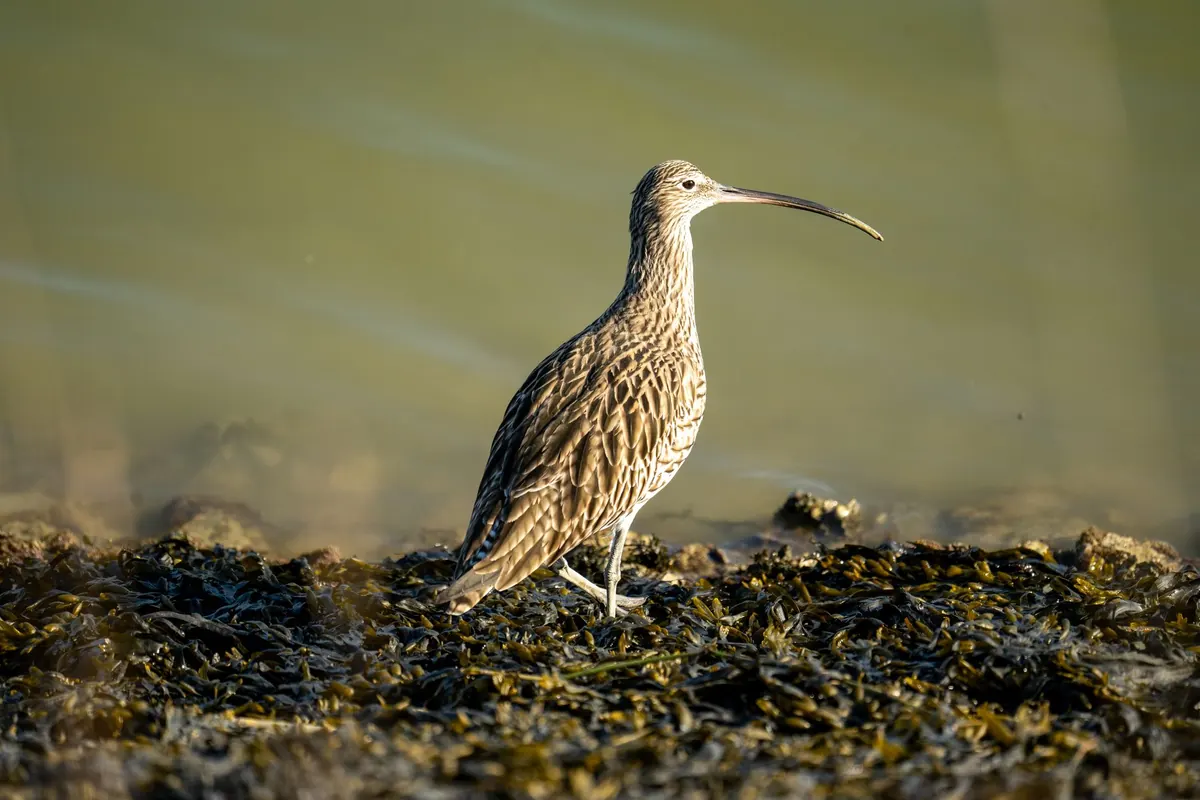
Ethical Bird Photography: A Checklist for Getting Close Without Causing Stress
September 28, 2026 - Photography
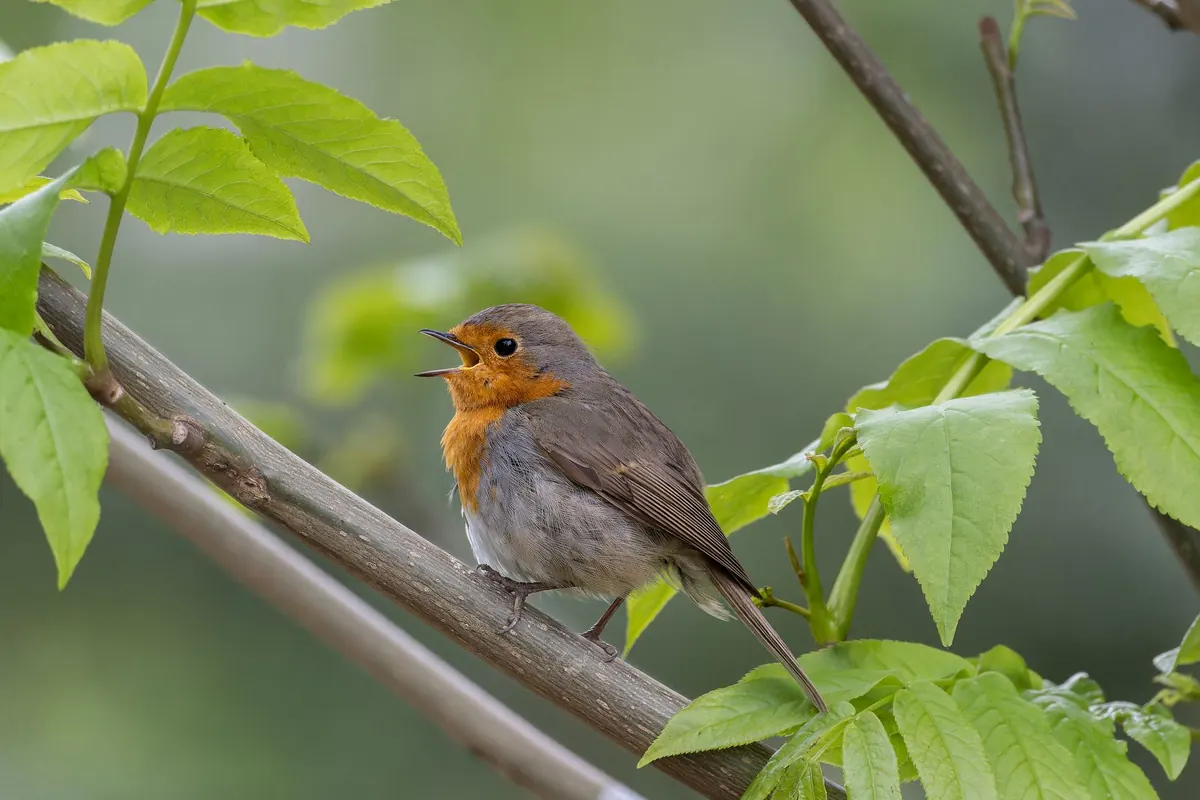
Most garden birds announce themselves long before you see them. That's a gift rather than a frustration. A blackbird on a chimney pot, a blue tit scolding from the buddleia, a robin ticking in the dark heart of a hedge — each one gives you a name without showing a feather. The skill builds faster than you'd expect, because a British garden runs on a fairly predictable soundtrack and the same handful of species does most of the talking.
Trying to learn forty songs at once is the quickest route to learning none. Pick three species you already see every day — robin, blackbird and blue tit is a sensible starting set — and ignore everything else for a fortnight.
Stand still rather than creeping forward. Birds fall silent when you move and usually resume within thirty seconds if you wait. Learn the alarm calls as well as the songs, because you'll hear them far more often than the full performance. A robin's sharp tsee when a cat crosses the lawn tells you a robin is present even in December, when it isn't singing at all.
These are the voices worth knowing first. Each description is a starting point, not a straitjacket — birds vary by individual and by region.
January is the quietest month for song, but not silent. Robins sing on mild mornings and often at night in towns. Great tits test their two-note song on sunny days, and blackbirds give a ringing chink at dusk.
February brings dunnocks and song thrushes back into voice, and the dawn chorus is still thin enough to pick out individuals. By March everything accelerates: blackbirds, robins and song thrushes are in full flow by mid-month, and chiffchaffs arrive from mid-March onwards, singing their own name from the top of a tree.
April fills the chorus out. Listen for blackcap — fluty and hurried, with a scratchy, uneven ending — and willow warbler, a soft descending cascade. May is the peak: the chorus can start well before sunrise, often from around 4am, and is largely over by seven. Arrive twenty minutes early, stand still and follow one voice at a time.
June is a different job. Singing drops sharply as adults feed young, and begging calls take over — a frantic, high, rhythmic chattering from a nest or from a fledgling following a parent. Learn that sound and you'll know where nests are without looking.
July and August are moulting months: many birds go quiet and skulking. Tit flocks move through with constant tsee and churrr contact calls, which makes this the easiest time to separate blue from great tit by ear. In September robins start singing again, and chiffchaffs and blackcaps pass through gardens on migration; their thin hweet and tack calls are worth learning.
October and November bring winter visitors. Redwings call a thin tseee overhead after dark, and fieldfares chack from the tops of trees. Robins sing at dawn and again after dusk. December is sparsely soundtracked, but robins, mistle thrushes and woodpigeons fill the gaps — and many a "spring" robin heard in midwinter is simply a resident male defending a winter territory.
Pick a spot you can reach easily — a back door, a bench, a kitchen window left open. Stand or sit still for ten minutes at first light and write down every sound you can name, plus one you can't. Repeat it daily for a week. By the weekend you'll have three or four species pinned down, and the unfamiliar voice will start to stand out from the crowd.
Then let the calendar do some of the work. The same three birds will sound different in March and September, and noticing that shift is what turns identification into something closer to familiarity.
Photo: Siegfried Poepperl / Pexels

A practical checklist for photographing birds without causing harm, covering fieldcraft, distance, nesting season,...
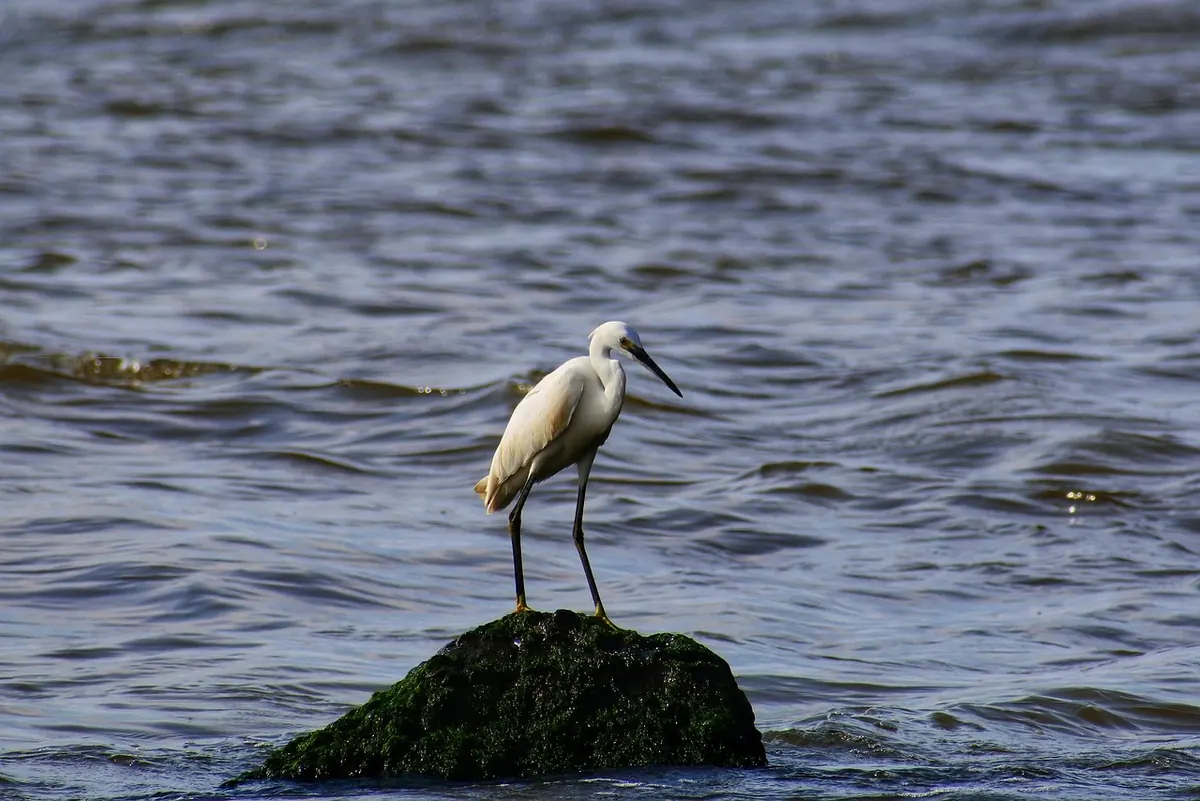
Bill length, leg colour, call and habitat are enough to separate curlews, whimbrels and both godwits. A practical...
Copyright © 2026 Plume Loop. All Right Reserved.