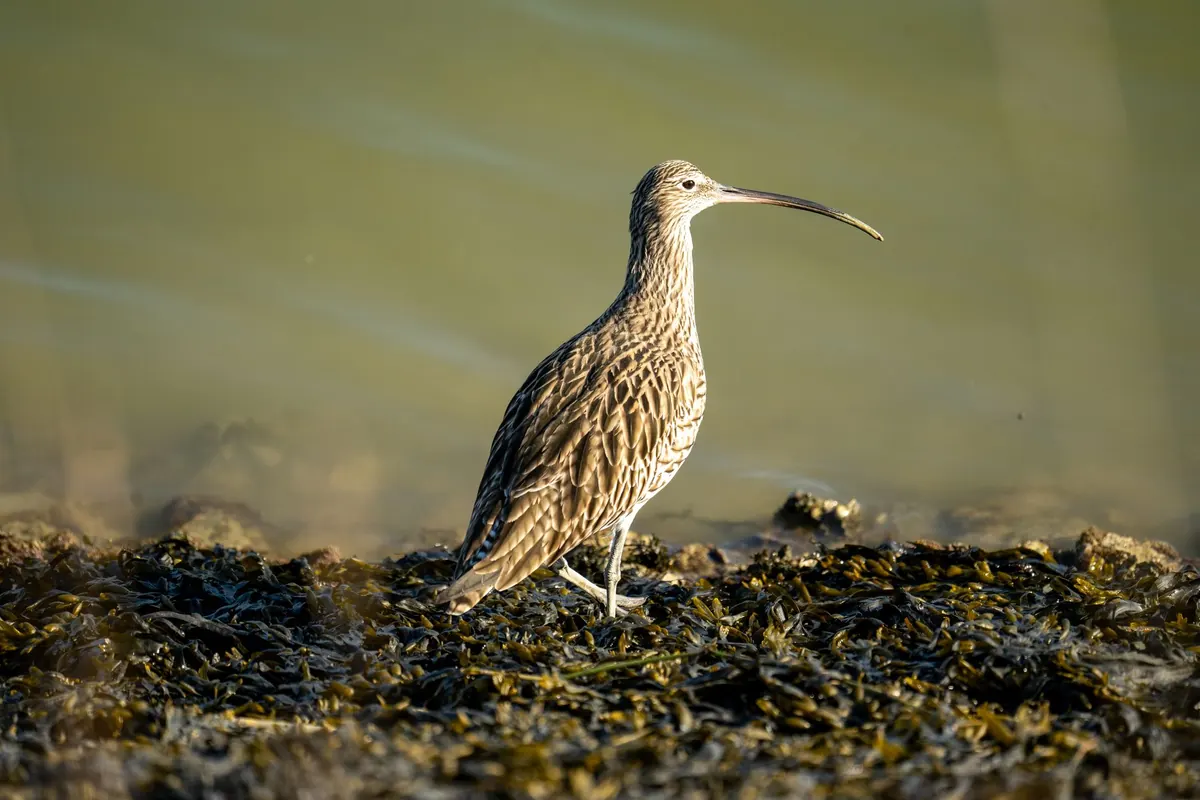
Ethical Bird Photography: A Checklist for Getting Close Without Causing Stress
September 28, 2026 - Photography
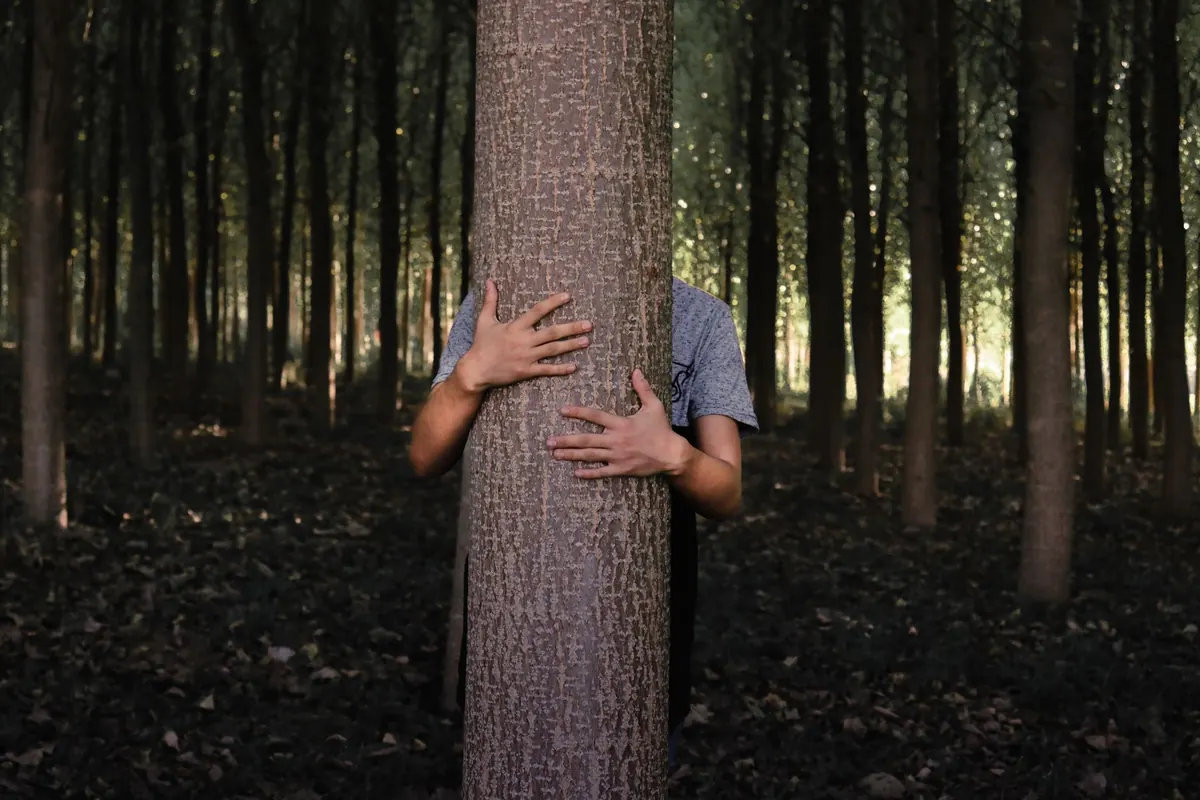
A kingfisher at two metres, close enough to see the colour of its feet, is rarely luck. That kind of frame comes from weeks on the same stretch of river, a good hide, and a bird that has decided you are not a threat. The difference between a remarkable photograph and a damaging one is often invisible in the final image. A wader pushed off its feeding strip, a warbler drawn away from a nest, an owl flushed from a winter roost: the picture can still look beautiful. The cost simply isn't in the frame.
Ethical bird photography is not a set of restrictions bolted on to the hobby. It is the craft itself, and the photographers who are best at it are almost always the ones who disturb the least.
Every species has a relaxed posture and an alarmed one, and the gap between them is your best guide. A bird that is feeding steadily, preening, dozing or singing from a regular song post is comfortable. A bird that stops mid-feed to stare at you, flicks its tail, raises its crest, gives an alarm call or begins moving steadily away is telling you to stop. So stop.
Two minutes of watching before you lift the camera will usually tell you more than two hours of shooting. Sit down, get low, and let the bird settle. If it doesn't settle, you are in the wrong place, or the wrong shape, or both.
A 500mm lens does not make you invisible. It crops what you can already see, so a bird that is uncomfortable at twenty metres will look uncomfortable in the picture too — hunched, angled away, or already in flight. The most common mistake isn't getting too close in absolute terms. It is creeping forward until the bird's behaviour changes, then staying there.
Use behaviour, not numbers, as your limit. If the bird alters what it is doing because of you, back off a few metres, try a different approach, or accept a wider shot. Some of the best bird photographs are environmental: the bird small in a large landscape, saying something about where it lives rather than only what it looks like.
Between roughly March and August, most of the birds you want to photograph are breeding, and a flushed bird is not a minor inconvenience. Eggs cool, chicks are exposed to weather and predators, and adults burn energy they cannot spare. Some birds will desert a nest altogether.
In the UK, wild birds, their nests and their eggs are protected, and a smaller list of species — those on Schedule 1 of the Wildlife and Countryside Act — has extra protection, meaning that disturbing them at or near the nest can be an offence. Photographing those species at the nest generally requires a licence from the relevant statutory body. Wildlife law differs across England, Scotland, Wales and Northern Ireland, and it does change, so check with the relevant conservation body before planning any nest work rather than relying on a forum post from years ago.
Feeding stations are a legitimate way to photograph garden and woodland birds, and a well-run set-up with clean feeders and sensible perches does little harm. Baiting in the open is a different matter. Putting out mice to draw owls to a roadside post habituates them to people and traffic, concentrates predators, and can be the reason a bird ends up under a car. Baiting near a nest does the same thing in the worst possible place.
Playback has its place, but it is easy to overdo. A recording of territorial song can pull a male away from feeding young and into a fight with a rival that doesn't exist. Use it sparingly, outside the breeding season, and never repeatedly on the same territory or on Schedule 1 species.
Water trays are another grey area. In a dry wood they can be a genuine help; crowded, dirty ones spread disease. If you provide water, clean it, keep it well away from nest sites, and don't sit so close that birds skip bathing altogether. And if a shot came from a set-up, a captive bird or a baited perch, say so when you publish it.
Adjusting exposure, contrast, white balance and crop is normal. Removing a distracting branch is common practice too, but it changes the claim the photograph makes, and in competitions, records and scientific contexts that matters. A composite of two birds that were never in the same frame is an illustration, not a photograph. A bird photographed in an aviary isn't a wild bird, however natural the background looks.
Be straightforward about it. Many photographers note "baited", "set-up" or "captive" alongside an image, and no one thinks less of them for it. What damages trust is a caption implying a wild encounter that never happened.
The photographers who get consistently close to birds are the ones the birds tolerate, and that tolerance is earned over seasons on the same patch. Pick one or two local sites and visit them often, in poor weather, at odd hours, in the quiet weeks of January. Learn where the birds feed, where they rest and which approach route they accept. When a rare bird turns up and a crowd forms, you will already know where to stand, and you will be the one quietly suggesting that everyone takes three steps back.
If you are unsure whether a plan crosses a line — a nest, a licence, a sensitive location — ask the site warden, your county bird recorder or the relevant conservation body before the shoot, not after. Good bird photography and good birdwatching are the same activity. The photograph is what you bring home; the bird is what you leave behind.
Photo: Atahan Demir / Pexels
Bill length, leg colour, call and habitat are enough to separate curlews, whimbrels and both godwits. A practical...
A practical method for recording behaviour, weather, sketches and calls in a birdwatching notebook — and for...
Copyright © 2026 Plume Loop. All Right Reserved.